Tomorrow the Sun Will Rise: Alexandra Silverthorne
Exhibitions & Events
Learn more about the artists in Tomorrow the Sun Will Rise: The Phillips Collection Juried Exhibition (on view August 1-September 20, 2026).
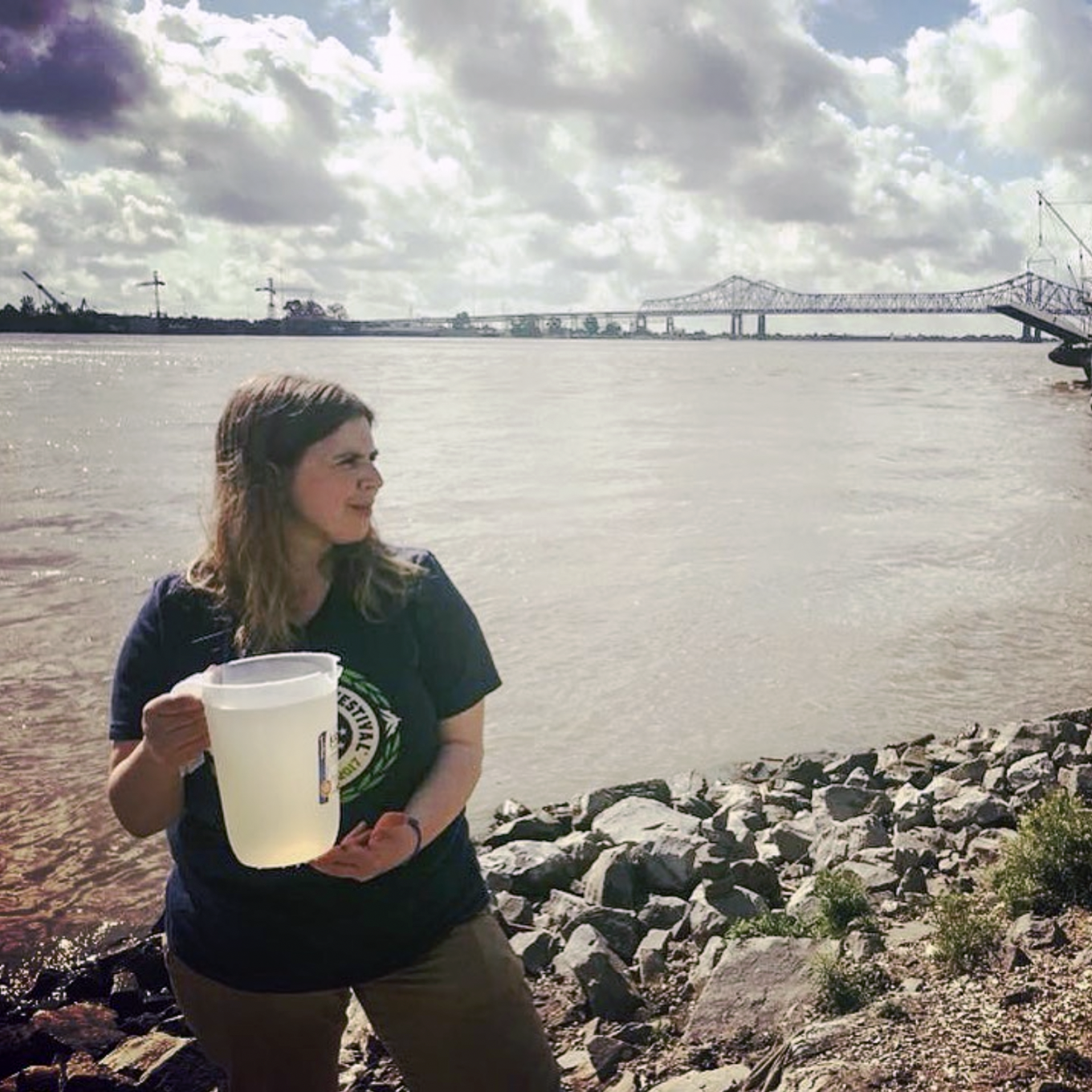
Collecting river water from the Mississippi River
Tell us about your work in Tomorrow the Sun Will Rise.
Southern Live Oak in City Park, New Orleans, LA comes from a larger photographic meditation on sustaining life during a climate crisis. I chose to focus first on photographing native and adaptive trees, because scientific studies consistently highlight the importance of urban canopies in creating resilient climate infrastructure. The images are made on instant film and the polaroids are later submerged in water collected from local rivers. This act of soaking serves as a declaration that accepting water, and learning to live with it, is more beneficial than forcefully trying to control it. Furthermore, the unpredictability of how the river water might alter the image is a call to trust the process and embrace the “uncontrollability” of water in our communities.
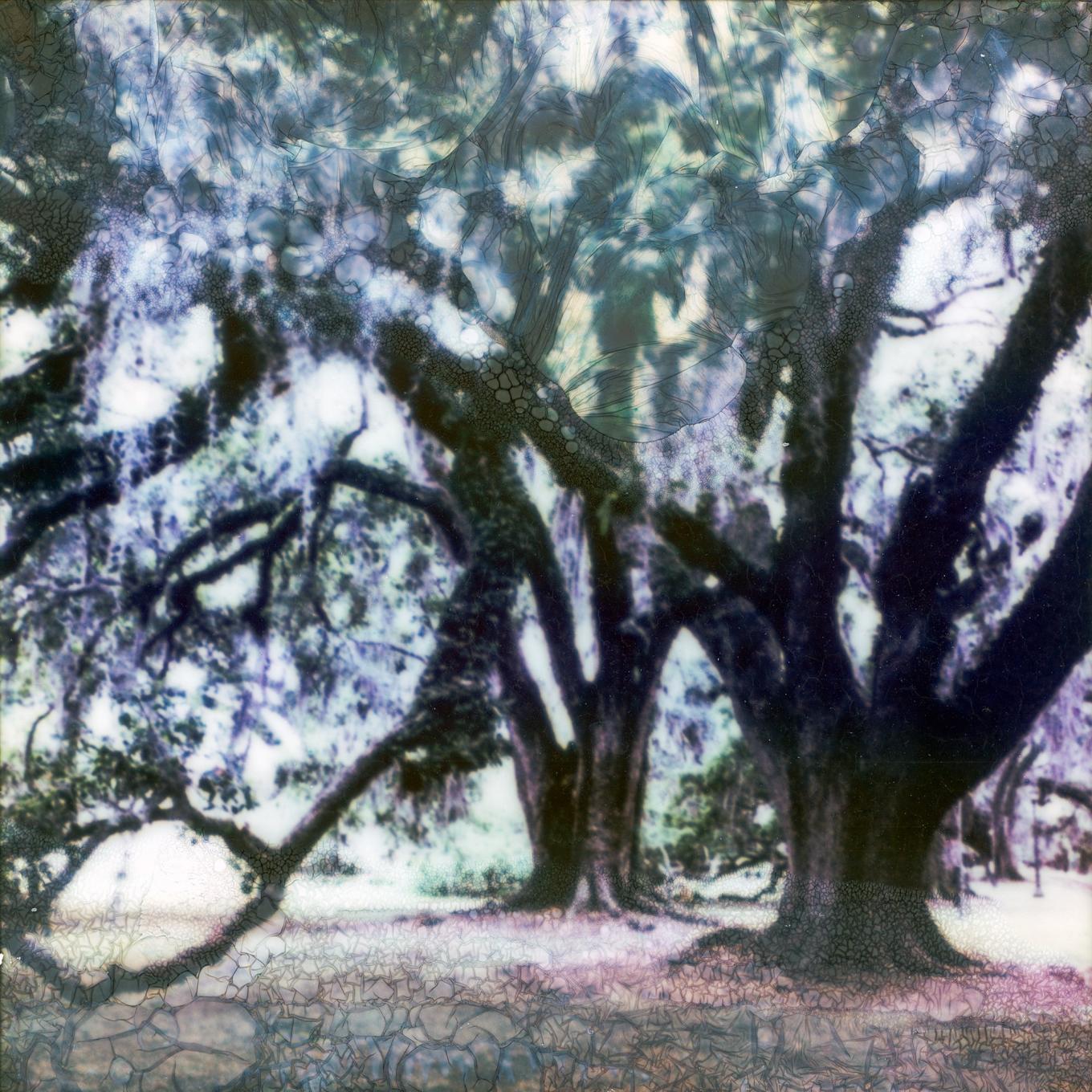
Alexandra Silverthorne, Southern Live Oak in City Park, New Orleans, LA, 2025, Archival inkjet print from scanned Polaroid SX-70 photograph, soaked in river water collected from the Mississippi River, 17 x 17 in.
The trees depicted in this image are from the Historic Live Oak Grove in New Orleans City Park where many of the oak trees are 500+ years old. I’m interested in what we can learn via biomimicry. Oak trees, for example, create a strong, supportive network by interlocking their roots underground, which allowed these trees to survive storms like Hurricanes Katrina and Ida. What kind of supportive network could we create as humans if we metaphorically interlocked our roots? And then, what if we stopped trying to control things?
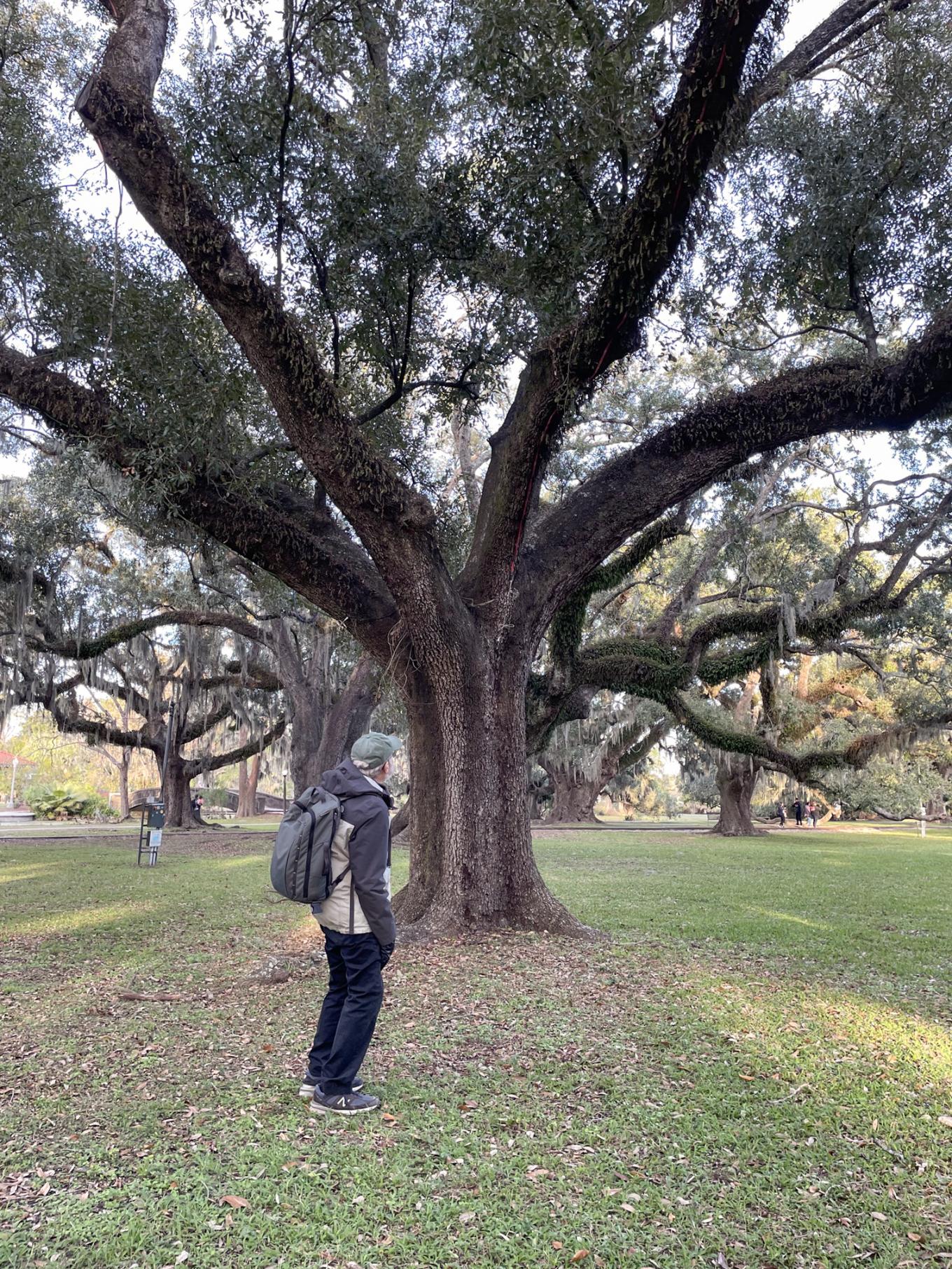
Visiting the Historic Live Oak Grove in City Park, New Orleans with my father
Tell us about your artistic process.
I work with both analogue and digital photographic processes, allowing conceptual ideas to drive the form and medium for each project. Research is also a core part of my practice. At times research takes the form of reading and archives, and other times it is physically being in a space and looking deeply. Research is also on the ground in situ conversations with artists and organizers. While projects often become sculptural installations or publications, I’m never quite sure what form the finished body of work will be until I am years into the project.
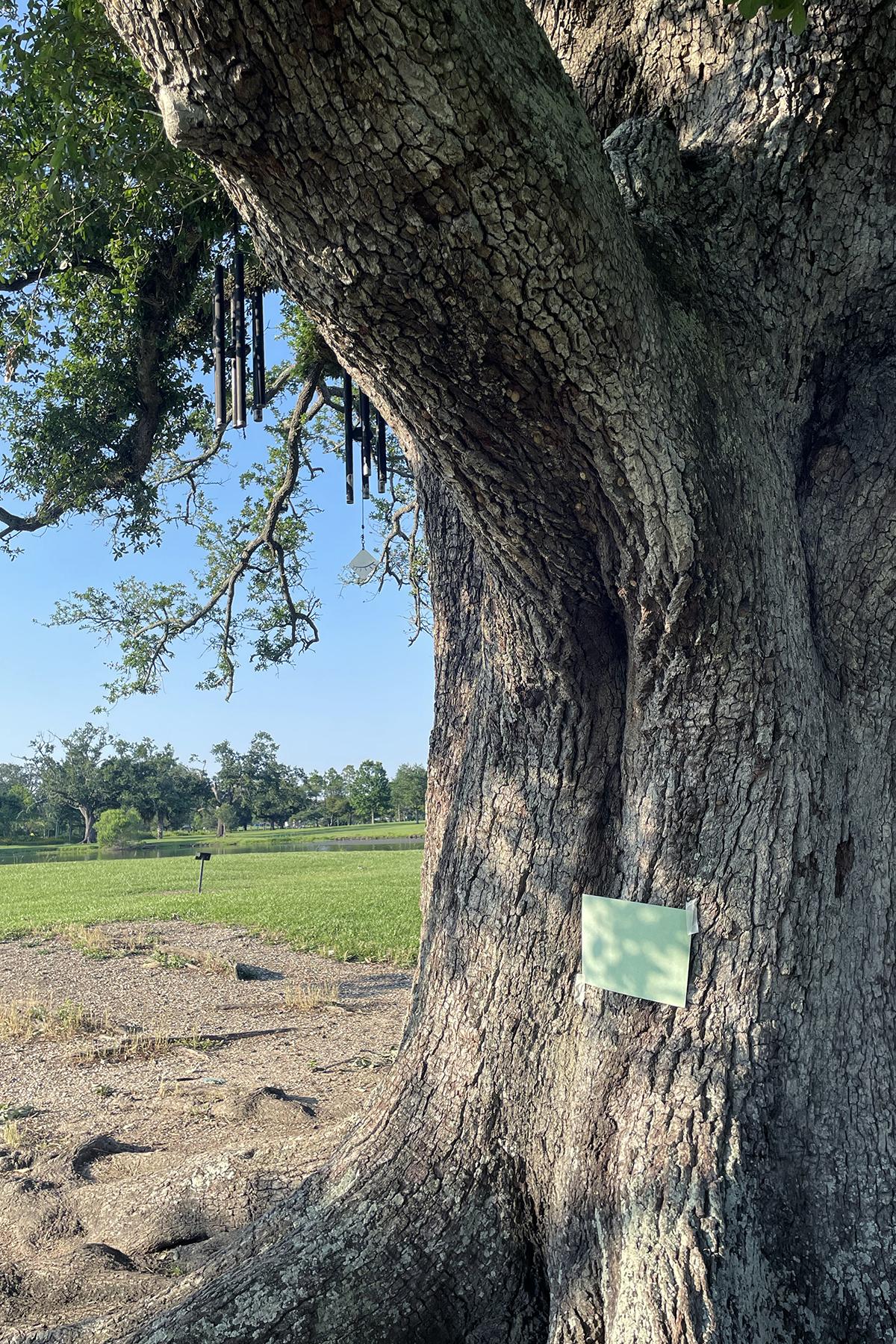
Making a cyanotype from leaf shadows on the Singing Oak Tree in New Orleans.
What themes are central to your artistic process?
I’m interested in using the camera to better understand spatial environments and encounters, especially in regards to overlooked or mundane elements. I’m also interested in cities and how they do—and don’t—work. At the core of my practice, I ask questions about space and place. In recent years, I’ve been looking more closely at how the climate crisis affects space and place and am focusing specifically on the urbanscapes of Washington, DC; New Orleans, LA; and Detroit, MI.
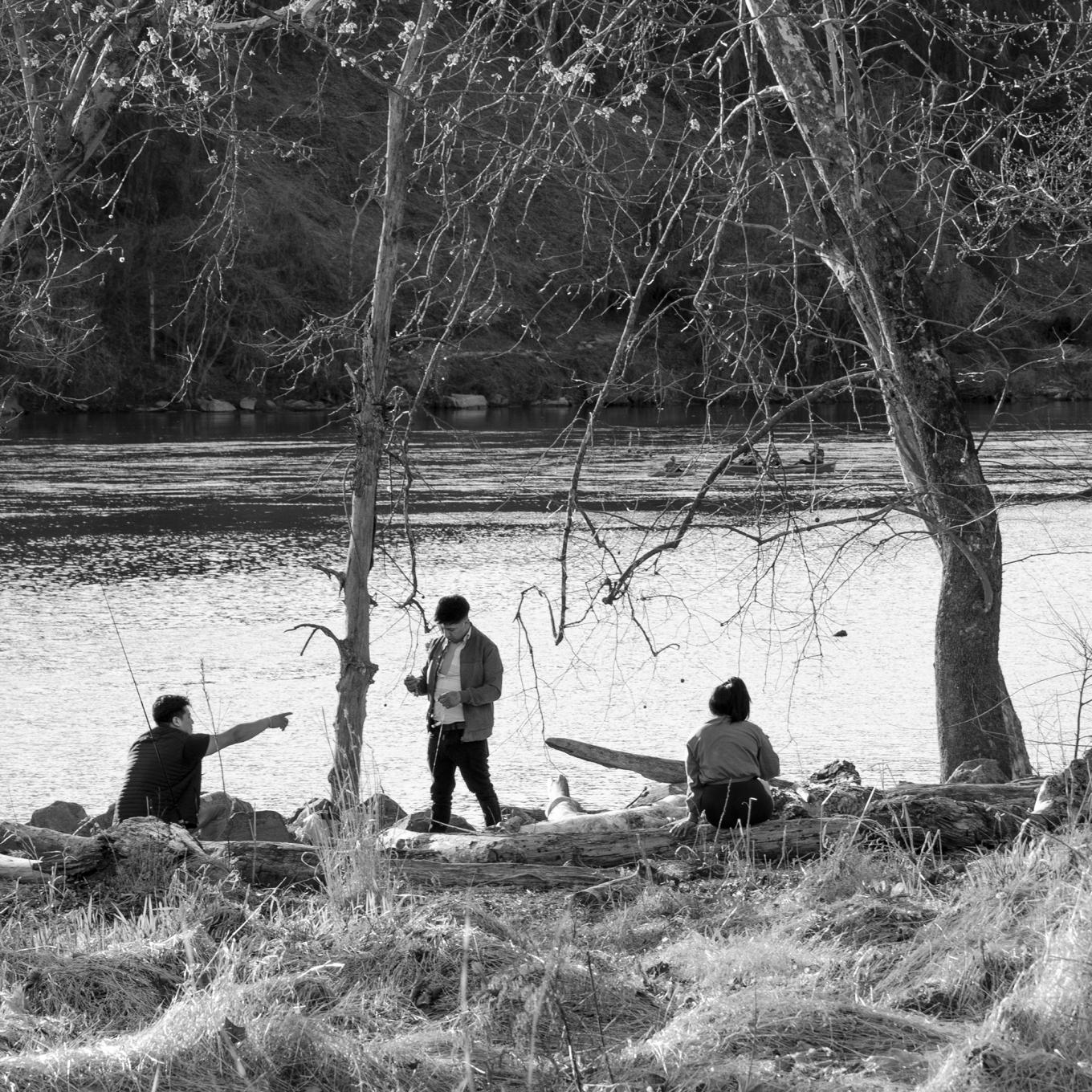
Alexandra Silverthorne, Potomac River (Fletchers Cove), Washington, DC
How has living in the DMV area impacted and influenced your artistic journey?
Growing up in DC, visits to The Phillips Collection, the National Gallery of Art, and the Hirshhorn were a central part of my childhood. Later in high school, as my interest in photography deepened, seeing Gordon Parks’s Half Past Autumn retrospective at the Corcoran was especially impactful and it was one of the first exhibits that stayed with me for years. I still pick up the catalog every few months.
Today, going to DC galleries and museums is still one of my favorite ways to spend an afternoon. I’m grateful for the artist communities that exist in the region, and it’s such a privilege and joy to be friends and colleagues with so many incredible and thoughtful artists.
What does it mean to you to be part of this exhibition?
I am so excited for this exhibition and honored to display this work at The Phillips Collection, along with so many talented artists. Showing my work in a museum I grew up visiting is such a dream. A huge thank you to Tie Jojima, Tsedaye Makonnen, Leila Grothe, Jordan Martin, and everyone who made the exhibition possible. The team at the Phillips Collection has been extremely supportive and so wonderful to work with.
Anything else you would like to share about you/your art?
The prints of the soaked polaroids are one of several elements of Watching the World Around Us Stay Alive. The project looks at how the interconnected roles of trees, rivers, community, recreation, and more help sustain life during the climate crisis. Black and white photographs of people along the river, cyanotypes of shadows of leaves on a tree, personal reflections, and conversations with local artists and community members all contribute to this photographic mediation. While the project focuses on three specific cities, my hope is that it allows viewers to look more broadly than these locations and consider the ways to sustain life in their own communities.
For this post, I’ve mostly included a mix of behind-the-scenes images of the process in making the work as well images of the work itself. Thank you so much for the opportunity to exhibit and to share more about my process.
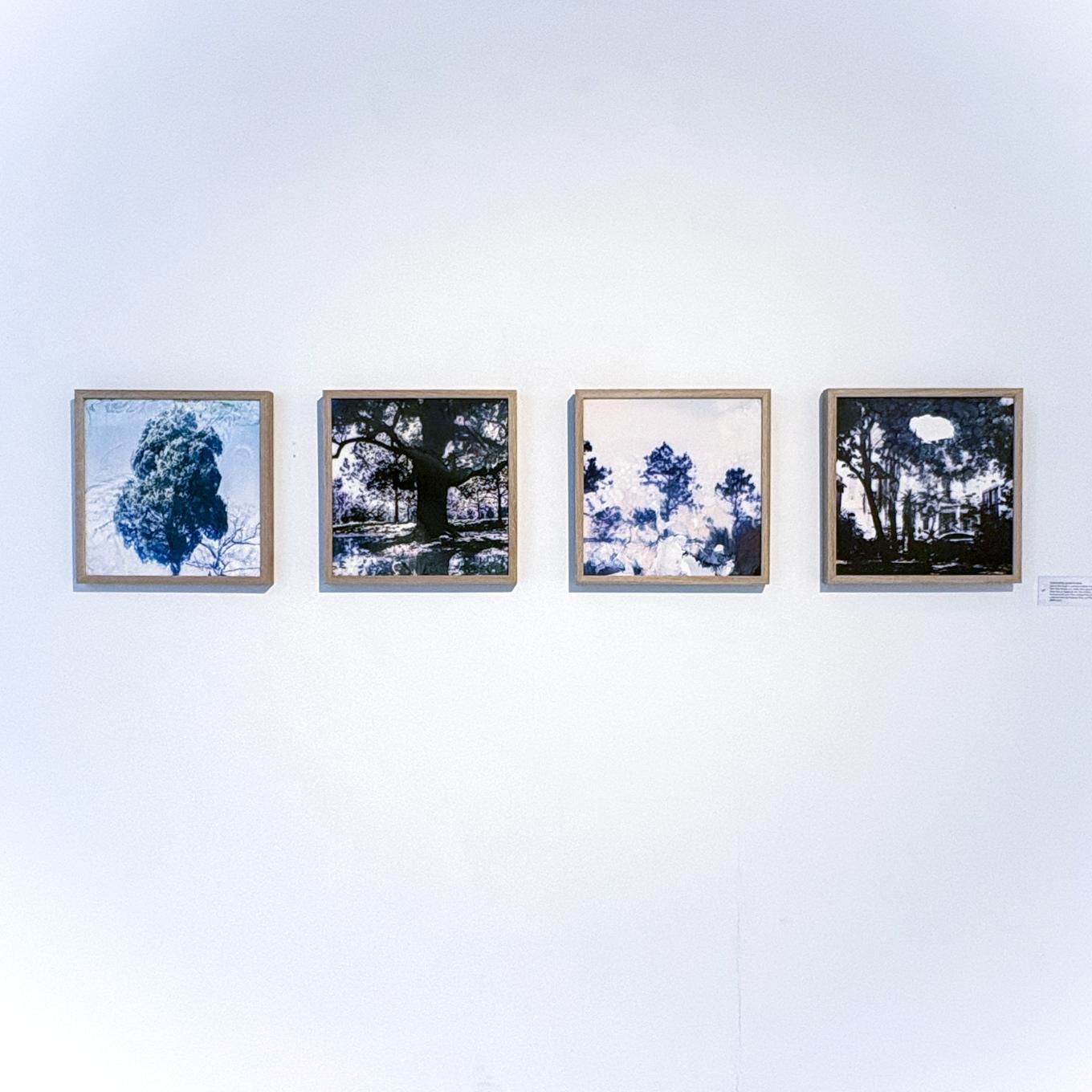
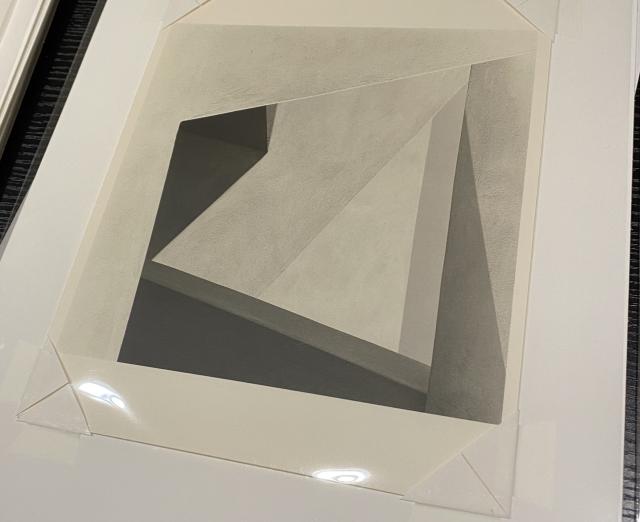
Four images from Watching the World Around Us Stay Alive on display for PhotoGenesis 2 at McLean Project for the Arts.