Tomorrow the Sun Will Rise: Kei Ito
Exhibitions & Events
Learn more about the artists in Tomorrow the Sun Will Rise: The Phillips Collection Juried Exhibition (on view August 1-September 20, 2026).
Tell us about your work in Tomorrow the Sun Will Rise.
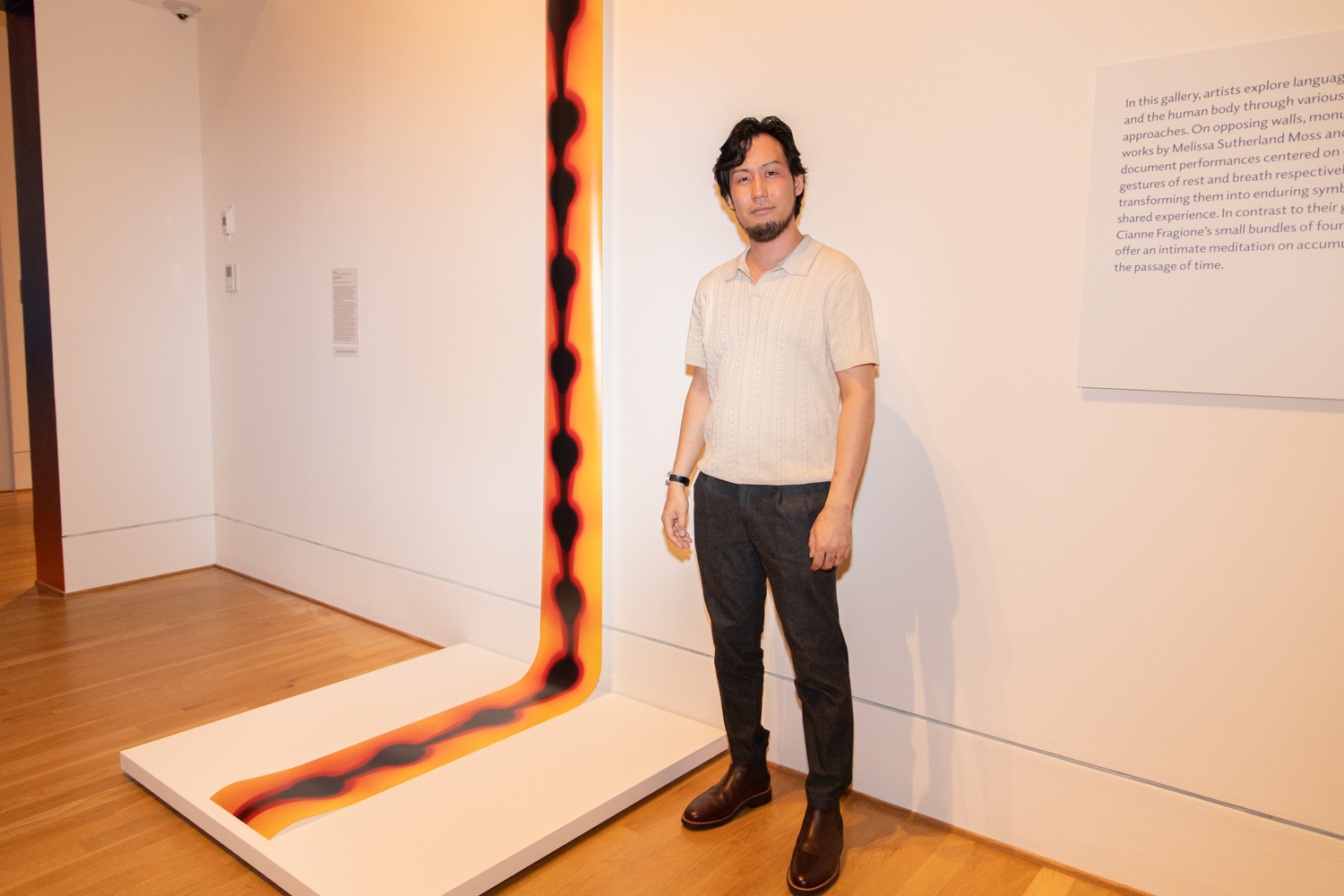
My work in the exhibition, Sungazing Scroll, is made from repeated sunlight exposures. Each exposure is timed by my breath, so the work carries a direct relationship between the body, light, and time. The scroll format allows the piece to unfold slowly, almost like a record of endurance or a visual prayer. For me, the sun is both life-giving and destructive; it becomes a way to think about nuclear history, inherited memory, and the fragility of human existence.
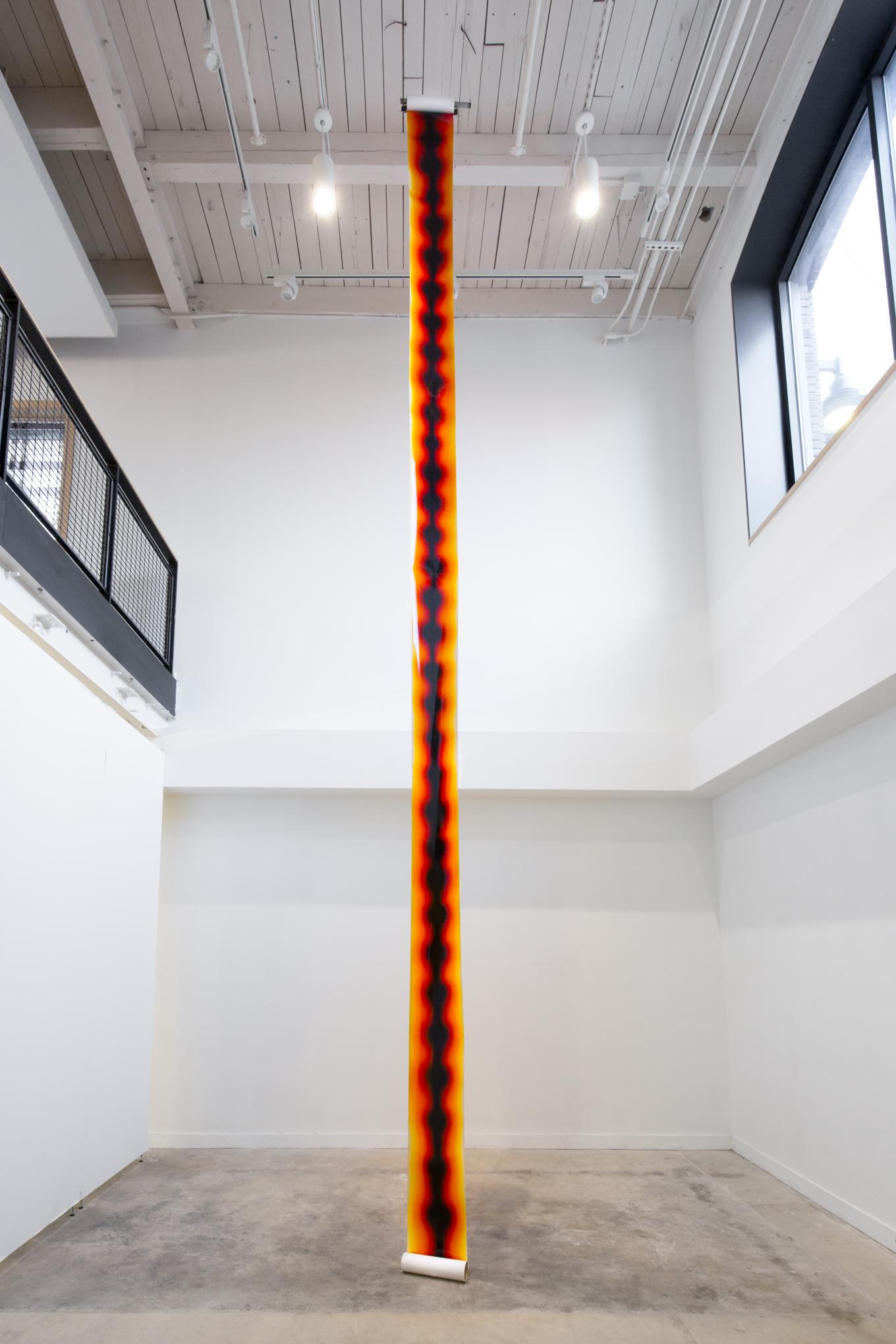
Keit Ito, Sungazing Scroll, Unique c-print photogram (sunlight, artist’s breath), 12 in. x 150 ft. to 220 ft. depending on the edition.
Tell us about your artistic process.
My artistic process often begins with light, touch, and time. I use camera-less photographic methods in which images are made through direct contact between materials and photographic paper, rather than through a camera. I am interested in photography not only as a way to make images, but also as a way to witness and materialize things that are often invisible—memory, trauma, radiation, history, and grief.
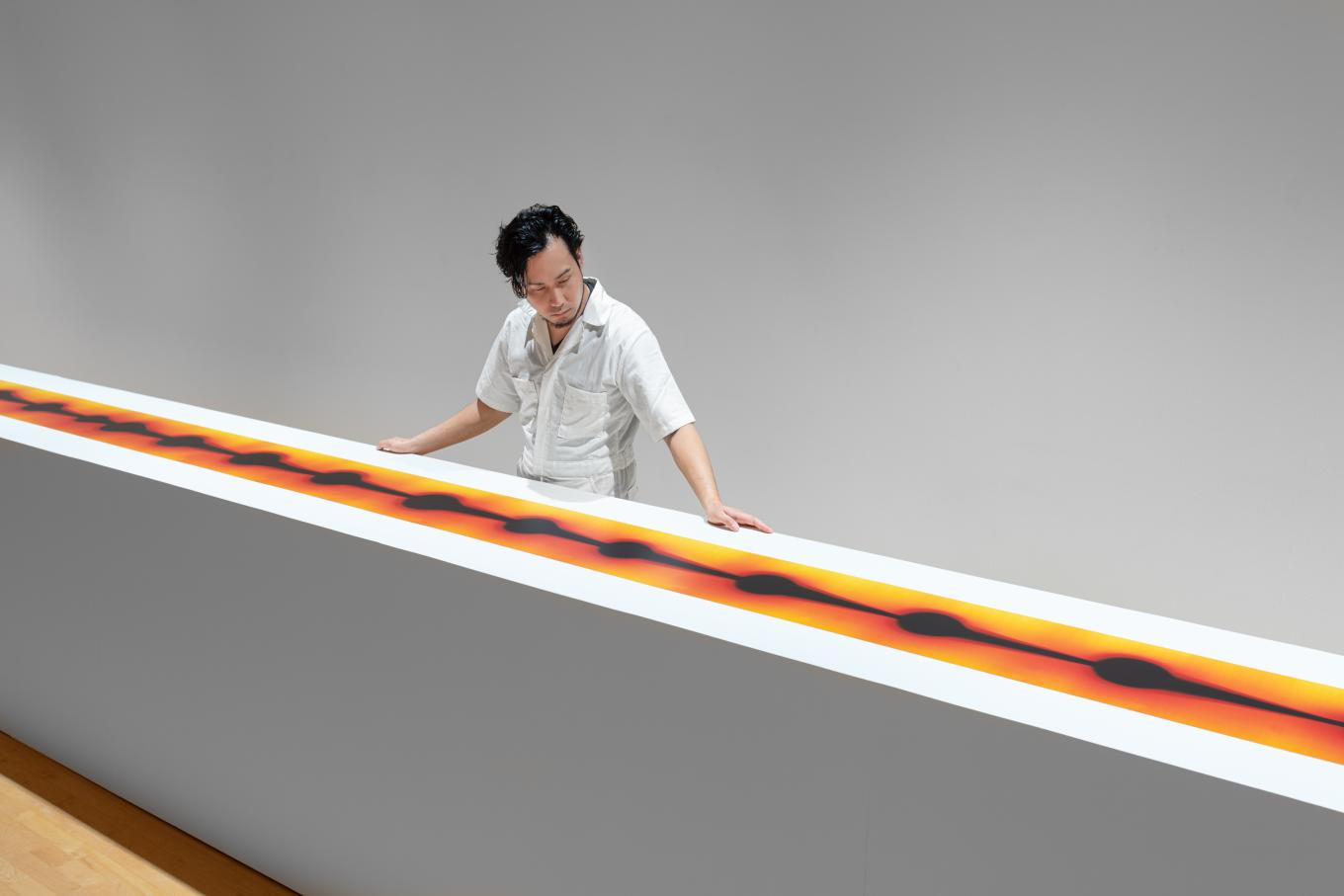
Kei Ito with Sungazing Scroll (2023 edition) at the Georgia Museum of Art, Chromogenic photogram, sunlight, and artist’s breath, 60 x 12 x 6 in.
Many of my works involve the duration of my breath as exposure time, repeated gestures, sunlight, and bodily presence, turning the photographic process into something close to ritual. From there, my practice expands into performance and sculptural installation, considering the structural framework of what a photograph is, and what photography can become. Together, these elements create environments that echo the language of temporal memorials and monuments.
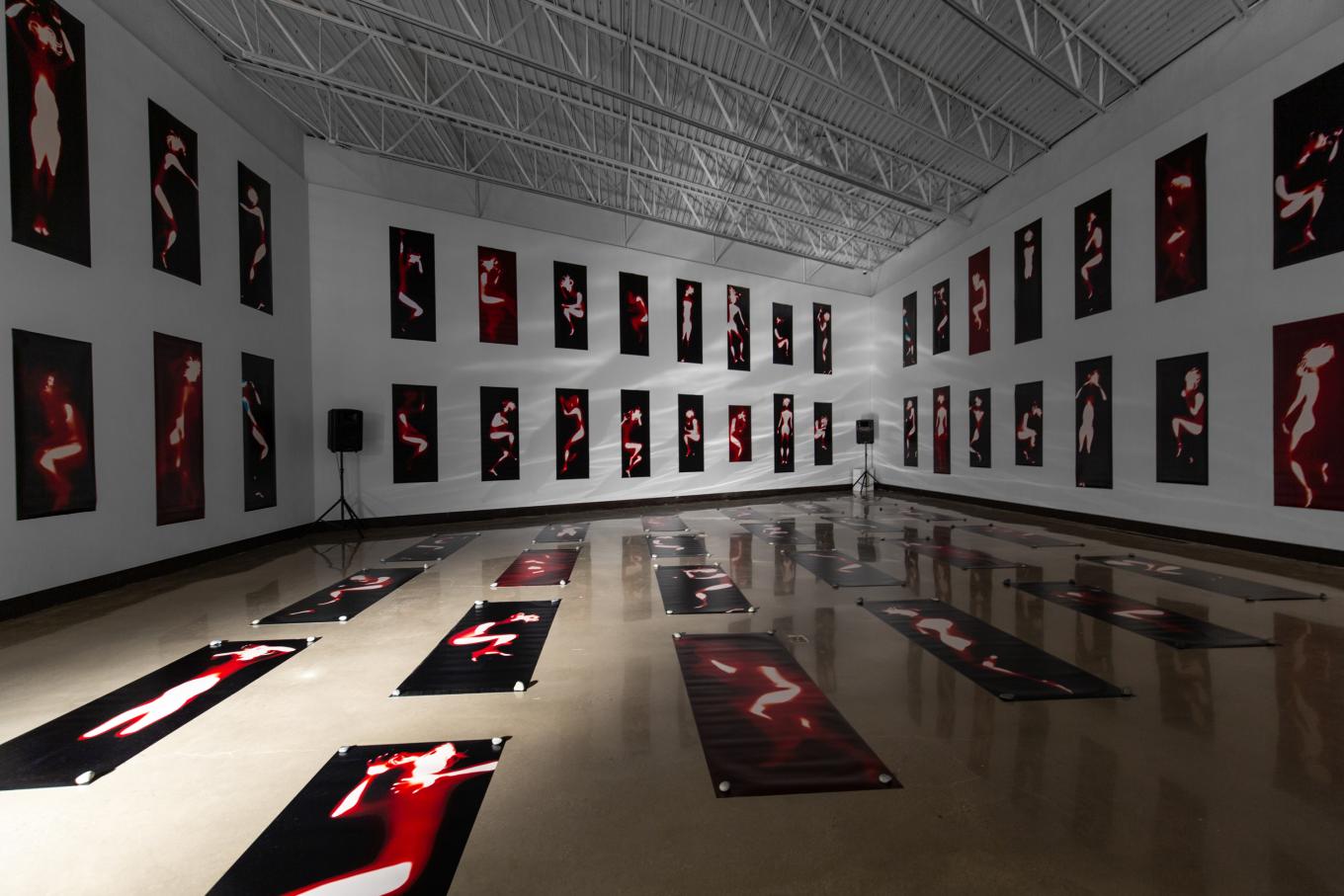
Kei Ito, Afterimage Requiem: Large-scale visual and sound installation containing 108 human-scale photograms and a 4-channel sound work.
What themes are central to your artistic process?
Nuclear history, intergenerational memory, environmental trauma, and the act of witnessing are central to my practice. As a third-generation atomic bomb survivor, I grew up with histories that were deeply personal but also difficult to fully see or understand. My work tries to give form to those invisible histories. I am interested in how trauma travels across generations, how landscapes hold memory, and how art can create a space for reflection, mourning, and healing.
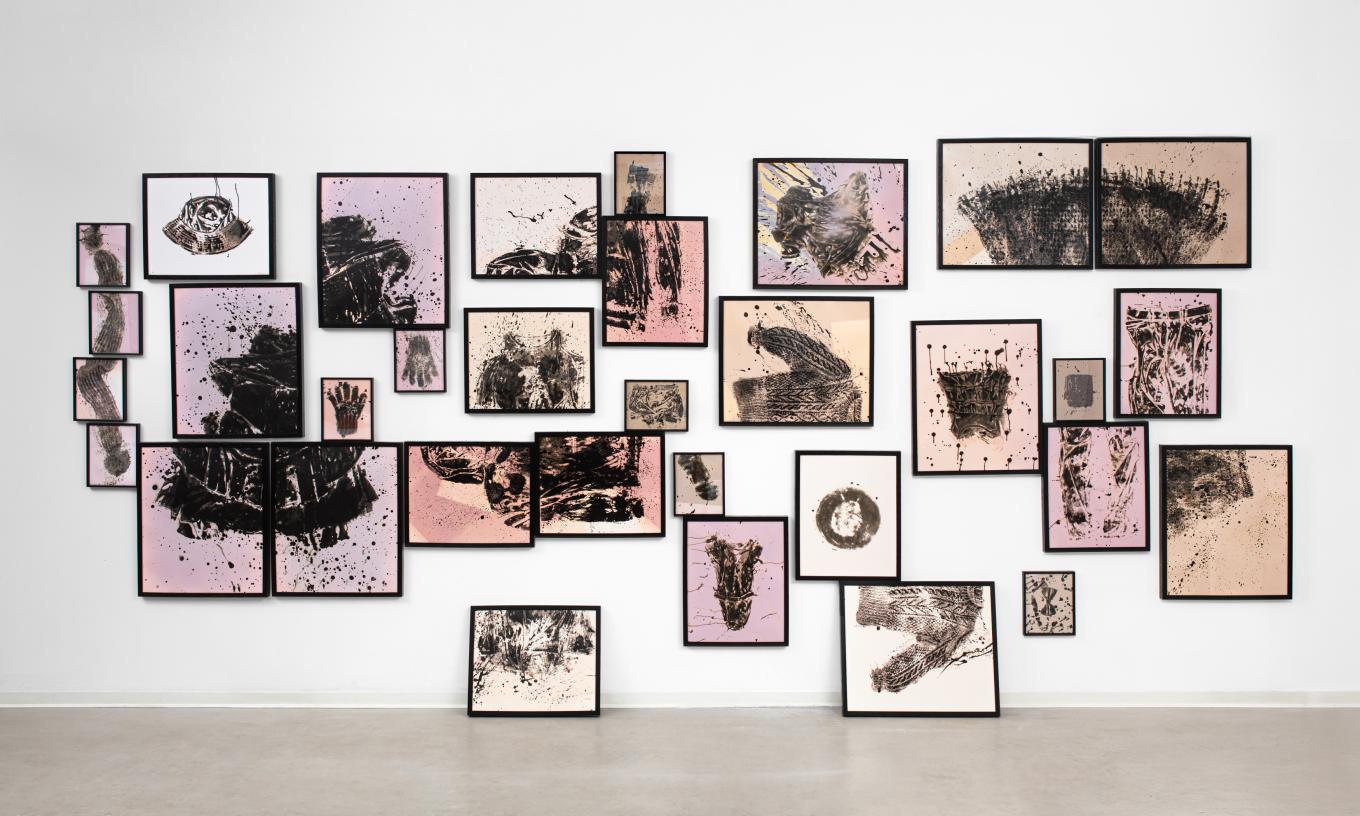
Kei Ito, Reconstruction of Forgetting, B/W photogram (cloths, developer), Chemigram 120 × 50 × 1 in.
How has living in the DMV area impacted and influenced your artistic journey?
Living in the DMV area has deeply shaped my artistic path. Baltimore, in particular, has been an important place for me to develop my work and build a community. Being close to Washington, DC has also made the political and historical dimensions of my work feel very immediate. The region holds so many layers of history, institutions, and communities, and that has encouraged me to think about how personal memory connects to larger public histories.
What does it mean to you to be part of this exhibition?
It is truly meaningful to be included in the exhibition. The title itself resonates with my work, which often deals with light, survival, and the possibility of renewal after destruction. To have my work in conversation with other artists in this exhibition feels like an opportunity to share not only an artwork, but also a space for reflection and connection with visitors.
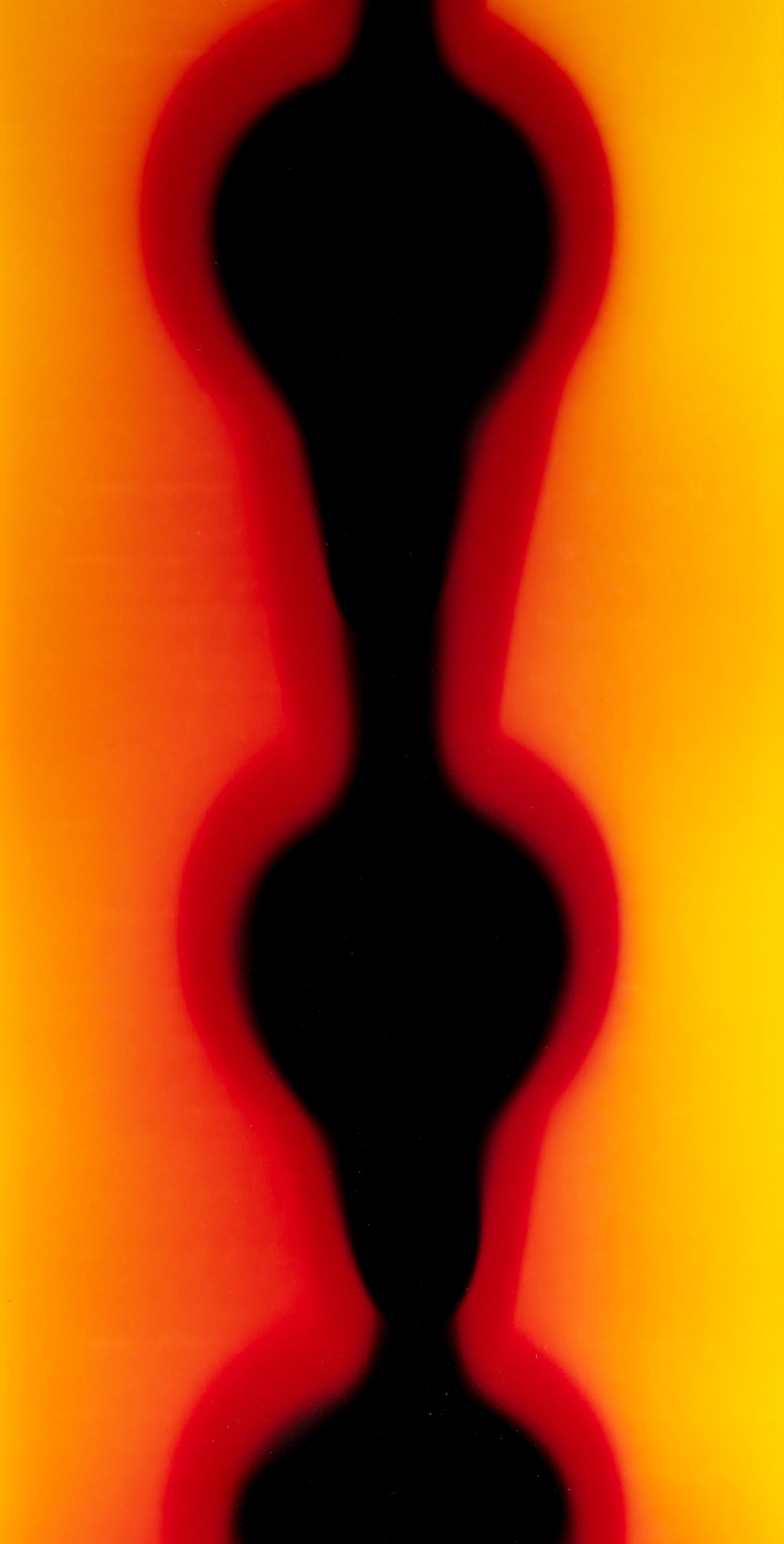
Kei Ito, Detail of Sungazing Scroll, Unique c-print photogram (sunlight, artist’s breath), 12 in. x 150 ft. to 220 ft. depending on the edition.
Anything else you would like to share about you/your art?
I hope my work invites viewers to slow down and spend time with what is not immediately visible. I think of photography as a way of remembering, but also as a way of asking difficult questions: What do we inherit? What do we choose to carry forward? And how can we transform histories of violence into gestures of care, remembrance, and hope?