
Summer Fiesta
Phillips after 5

¡Qué calor! Escape the summer heat in the galleries.
- Groove to the music of Taisha Estrada.
- Make your own piñatas and decorate maracas.
- Learn salsa with Baila DC and participate in a lively social dance in the Hunter Courtyard .
- Join DC Public Library to play LoterÍa in Spanglish. Win DC Library swag and sign up for Discover Summer! Fun for everyone! ¡Diversión para todos! Limited to 20 seats. Sign up starts at 6:15 pm, first come, first served.
- Alma Boliviana performs folkloric dances Caporales and Tinkus in the auditorium.
- Enjoy tunes from DJ Alcatraz from Eaton Radio Workshop in the galleries.
- Join a Spotlight Talk with a Phillips Educator.
- Enter the membership giveaway!
- Sample liqueurs from exclusive tasting partner Spirits & Spice.

IMAGE: Rufino Tamayo, Mandolins and Pineapples, 1930, Oil on canvas, 19 3/4 x 27 1/2 in., The Phillips Collection, Acquired 1930; Art © Tamayo Heirs/Mexico/Licensed by VAGA, New York, NY

Taisha Estrada
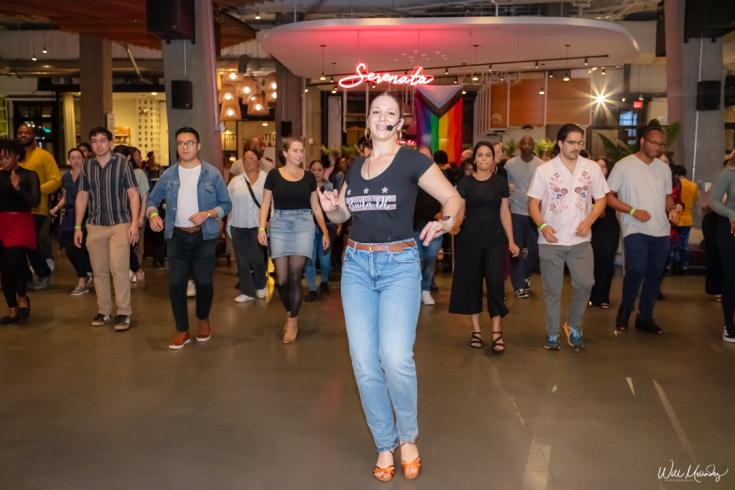
Baila DC
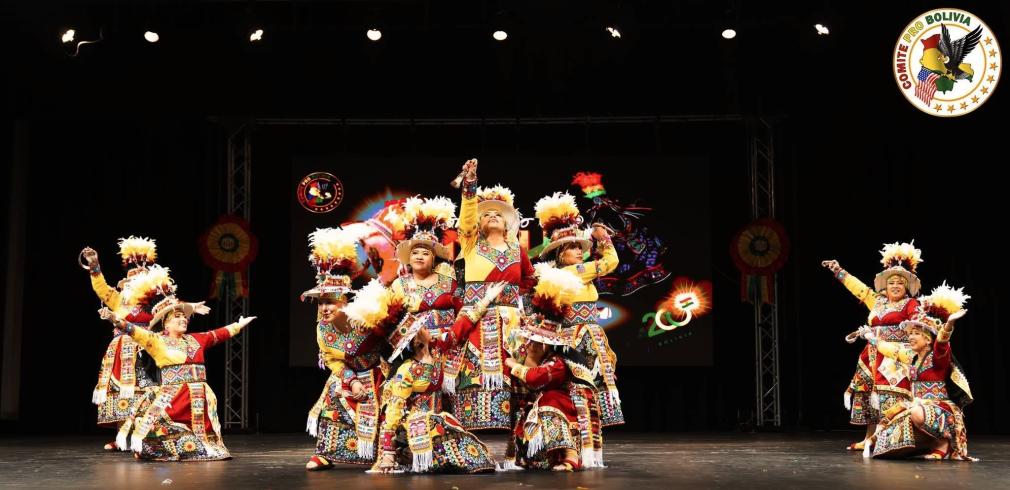
Alma Boliviana
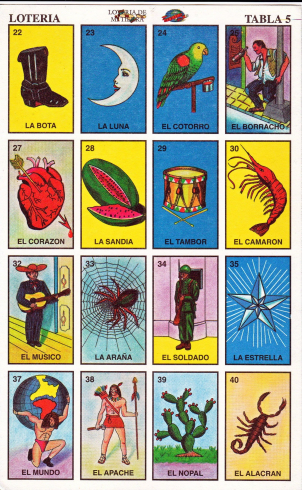
Spanglish Lotería
About Taisha Estrada
Rooted in the traditions of Latin and American jazz, with an innovative, post-genre sound, Puerto Rican vocalist Taisha Estrada is a compelling songwriter and storyteller. Taisha engages audiences through her lyrics and dynamic stage performance. Her musical projects have been featured in the Washington Post and NPR’s Tiny Desk opening show, and she has headlined at such venues as the Kennedy Center’s Millennium Stage and Blues Alley.
About Baila DC
Founded in 2019 with the goal of creating a welcoming and diverse dance community, Baila DC is quickly becoming one of the premier salsa organizations in the DC metro area. Baila DC currently offers five levels of salsa classes and focuses on providing world-class instruction, structured methodologies, and a commitment to preserving the rich Latin dance community of DC. Its signature social, Baila Thursdays @ La Cosecha, attracts dancers of all levels & backgrounds twice a month for open dancing in a beautiful, Latin-themed venue.
Baila DC Instructors
Yaritza Garay Torres was born and raised in Nicaragua, where she began her dance journey at a young age, training in jazz, ballet, folklore, and Latin styles. She discovered salsa while in college and has spent the past 17 years dedicated to developing her craft, exploring Cuban, On1, and On2 styles. Dance has been a powerful form of expression and connection throughout Yaritza’s life, shaping her confidence and personal style both on and off the dance floor. She is currently a salsa instructor at BailaDC, where she shares her passion for movement and music with her students. Through her Styling classes, Yaritza focuses on body movement, flow, and helping women feel confident, empowered, and connected to themselves through dance.
Julie has been dancing salsa since 2005 and has been an instructor with Baila DC since 2018. A physical therapist by profession and dance educator by passion, she brings energy, enthusiasm, and a deep appreciation for movement to every class she teaches. Julie loves introducing people to salsa dance, whether they are stepping onto the dance floor for the first time or have grown up with salsa music as part of their lives and are excited to learn the footwork, partnerwork, and social dance traditions that accompany it.Known for her welcoming and supportive teaching style, Julie strives to create a space where everyone feels comfortable, confident, and encouraged to have fun. She believes dance is a powerful way to build community, celebrate culture through connection, and experience joy through movement. Her goal is for every student to leave class feeling more confident, more connected, and excited to keep dancing.”
About Alma Boliviana
Alma Boliviana preserves and celebrates Bolivia’s rich folklore through vibrant traditional dance. Committed to cultural awareness and community engagement, we inspire, educate, and unite audiences while honoring our heritage. Through our artistry, we share Bolivia’s spirit with the world and ensure its traditions thrive for future generations.
About Spanglish Lotería
Lotería (Spanish word meaning “lottery”) is a traditional Mexican board game similar to bingo but played with a deck of cards instead of numbered balls. Each card has an image of an object, its name, and a number. Each player has at least one tabla, a board with a randomly created 4 × 4 grid selected from the card images. Players choose a tabla (“board”) to play with, from a variety of previously created tablas, each with a different selection of images. The game of lotería can be traced far back in history. The game originated in Italy in the 15th century and was brought to New Spain (modern Mexico) in 1769.