The History of ICCR
The Phillips Collection remains accessible and responsive to all audiences.
The Phillips Collection has welcomed all people and worked across communities since its founding in 1921.
From the moment he opened the doors to The Phillips Memorial Gallery—the museum’s original name—Duncan Phillips was reaching out and partnering with important cultural organizations in Washington, DC. He believed art was universal, with a profound social purpose to unite people. Washington had few cultural offerings at the time and was deeply segregated. Phillips knew that to grow the cultural landscape of Washington, he needed to partner and collaborate with other emerging cultural organizations and work across racial divisions.
Among the organizations with which Phillips partnered was the DC Public Library. Using art to reach new audiences, he began loaning paintings in 1929 to the library’s central branch, formerly the Central Public Library at Mount Vernon Square, which opened in 1903 as the city’s first desegregated public building. In the 1930s and 1940s, Phillips forged critical relationships with the Howard University Fine Arts Department and Gallery of Art, the first art programs in a historically Black university. Phillips welcomed faculty and students to his museum and acquired work for his museum by Howard art faculty, including James Lesesne Wells and Loïs Mailou Jones.
In the 1940s, Phillips supported the Barnett Aden Gallery, the first Black-owned and operated commercial art gallery in the US, also located in Washington. He frequented the gallery, loaned works to its exhibitions, and purchased art from it.
This commitment to partnership with fellow Washington, DC, cultural organizations and to welcoming all people—regardless of race or background—has been at the heart of the Phillips since it opened its doors in 1921. The language we use to describe these values may evolve, but the values themselves remain constant.
Diversity Intergroup Dialogue Series
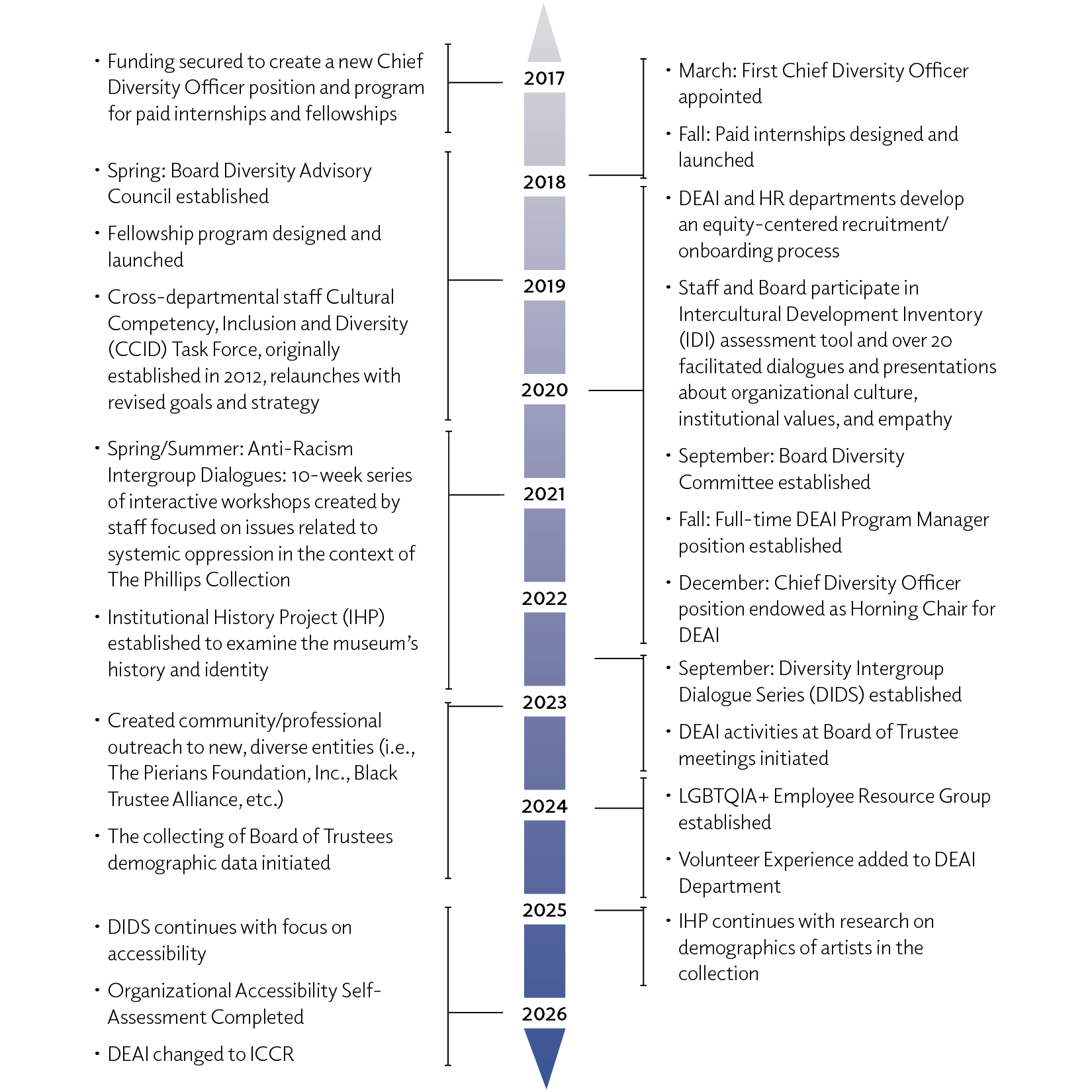
Diversity Intergroup Dialogue Series (DIDS) was established in 2022, building on the work of The Phillips Collection’s 10-week anti-racism series in 2021. The series has evolved to create an immersive experience in diverse and cultural perspectives that lead to inclusive practices, create a shared language among all staff, offer an opportunity to have open and honest dialogues in a facilitated way that both support and challenge, and establish a diversity education program for other museums to replicate.
-
Accessibility Best Practices (March 2026)
-
The Color of Diversity (September 2025)
-
Unpacking Privilege, Loading Equity (June 2025)
-
Intentional Belonging (March 2025)
-
From Baby Boomers to Gen Z (December 2024)
-
Unpacking Power, Privilege, and Difference (March 2023)
-
LGBTQIA+: Education & Awareness (December 2022)
When a museum is accessible, more people are able to participate—it’s that simple. Consider the many individuals with mobility challenges, visual or hearing impairments, or cognitive differences, as well as their families, friends, and caregivers. When a museum is genuinely welcoming, it naturally reaches a broader and more diverse audience.
Accessibility is not only about increasing attendance; it’s about strengthening community connections. An accessible museum becomes a shared space where diverse perspectives meet, varied life experiences enrich interpretation, and everyone feels a sense of belonging. In this way, the museum becomes a true community asset—open, inclusive, and meaningful to all.
In the effort to foster diversity, equity, access, and inclusion within organizations, leveraging color symbolism can be a meaningful and effective approach. By linking specific colors to principles of belonging, organizations can visually communicate their commitment to inclusive environments and reinforce these values across materials, initiatives, and processes.
Objectives of this presentation included gaining a deeper understanding of diverse perspectives while considering those around us, and examining how bias and discrimination affect everyone.
Privilege is often unknowingly conferred upon certain individuals, affording them advantages or opportunities not available to others. It can take the form of unearned benefits, access, or social respect associated with membership in a particular social identity group. While everyone holds some form of privilege, it is important to understand how privilege can be leveraged to uplift others and contribute to a more equitable organization.
Objectives of this presentation included developing effective strategies for discussing privilege and understanding how systems of privilege and oppression impact and harm all of us.
This session focused on the intentional practice of creating an environment that values and celebrates the unique contributions of each staff member. It emphasized building a culture of inclusion where all individuals can thrive while being their authentic selves.
Promoting intentional belonging involves acknowledging and valuing differences, fostering a culture of inclusion and respect, providing opportunities for staff to contribute their unique perspectives, remaining open to learning from others’ viewpoints, and continually working to identify and address unconscious bias.
Objectives of this presentation included cultivating a proactive mindset grounded in belonging-centered practices and identifying appropriate actions when considering diverse perspectives and approaches.
This session examined intergenerational expectations and work ethics that can either enhance or hinder progress in the workplace. Objectives included defining generational groups, gaining insight into work ethics commonly associated with each generation, and exploring best practices for working effectively across generations.
This session focused on examining, addressing, and mitigating systems of power and privilege that might exist within the work environment. In order to be an inclusive community, every employee must share a balance of power.
This session focused on LGBTQI+ awareness at The Phillips Collection through a series of role‑play activities. Participants explored strategies and tools for fostering an inclusive community among colleagues while navigating difficult conversations.
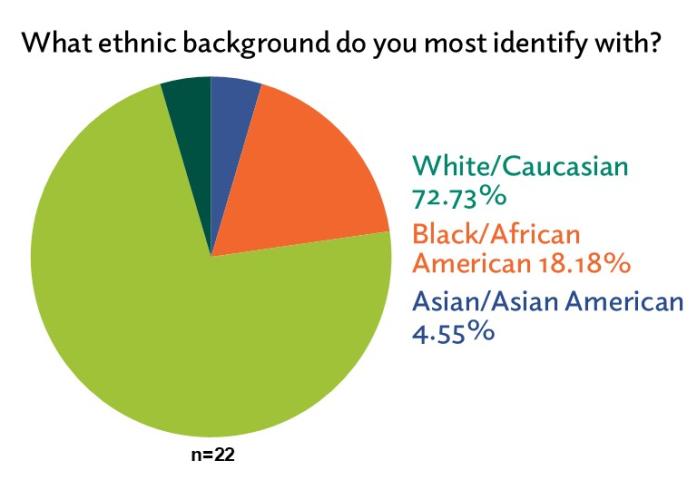
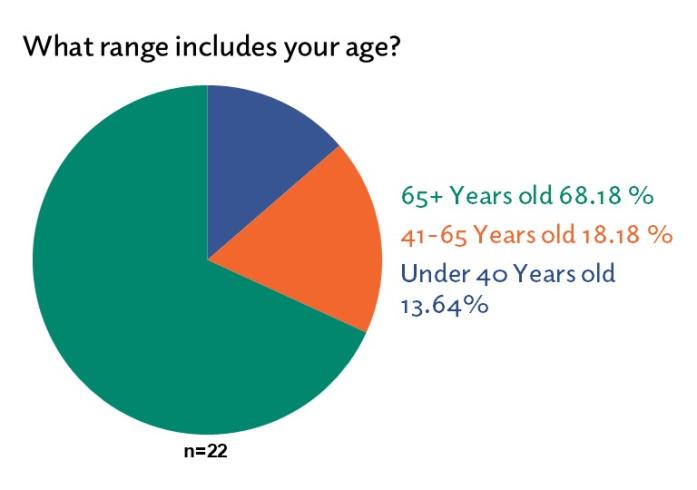
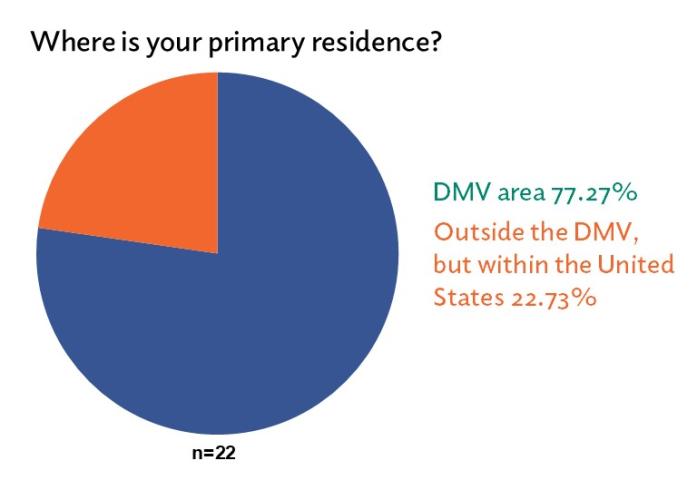
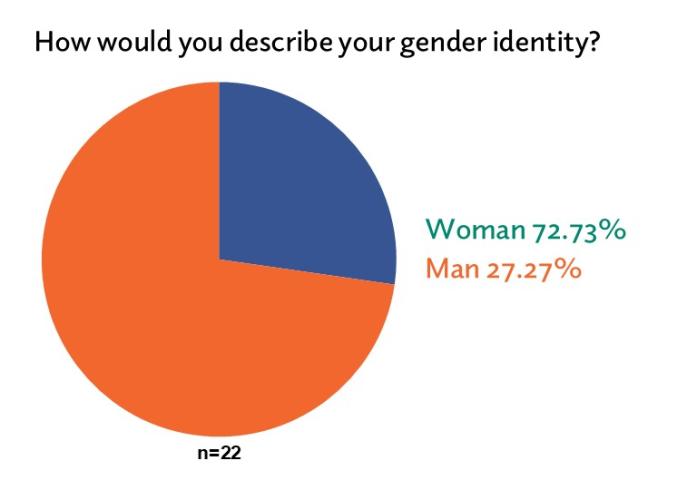
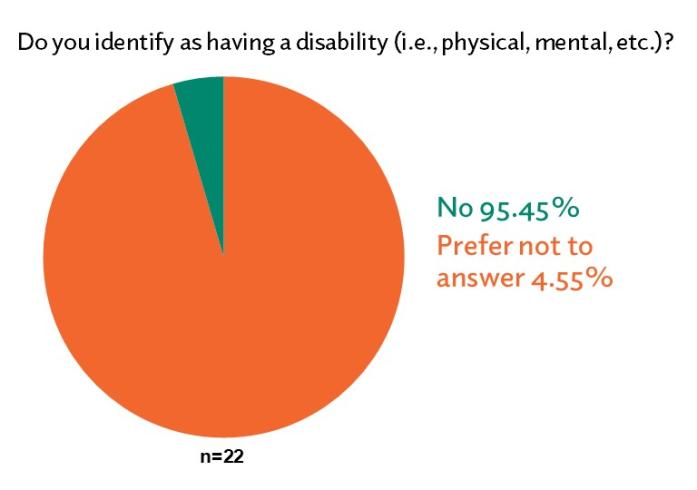
By the Numbers: Board of Trustee Demographics
Survey taken September 2023