Curating Be Curious: Art Links to Learning
Education & Community Engagement
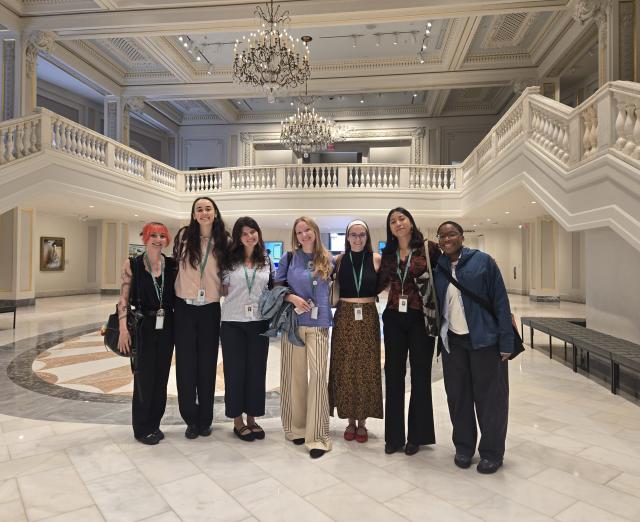
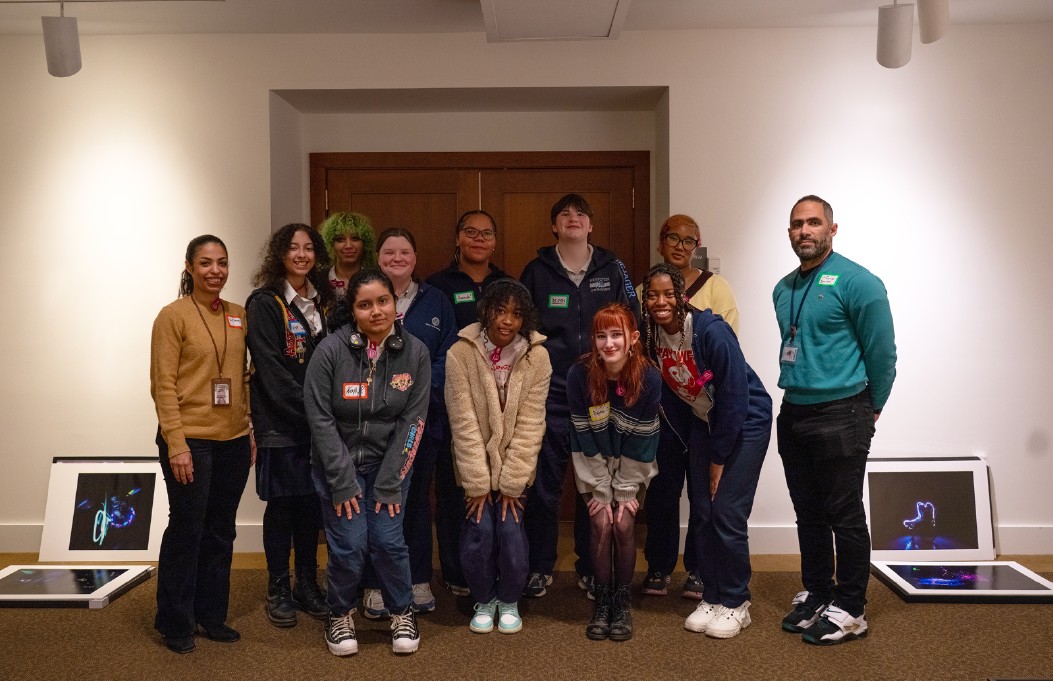
Students from the Jim Henson Visual & Performing Arts program at Northwestern High School Fionn Berry, Precious Idowu, Amanda Green, Keyly Romero, Hope Watkins, Jade B., Aeron de J., Daphne J., Lorabeth H., and Cindy R. share their process for curating the community exhibition Be Curious: Art Links to Learning (on view through August 2, 2026).
Tell us how you curated the exhibition, from start to finish?
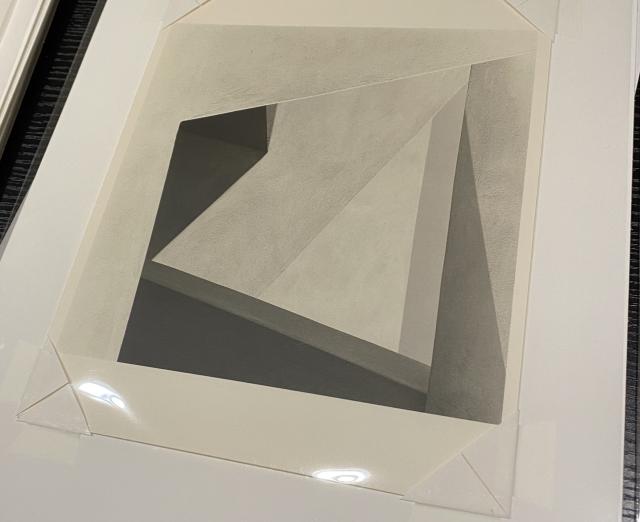
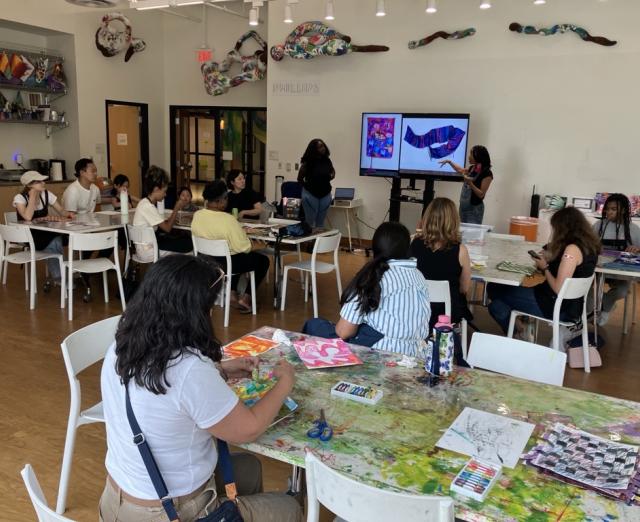
In December 2025, we were first introduced to the education team at The Phillips Collection, who briefed us on the exhibition plans. They gave us a large collection of pieces to filter through—years of student artworks inspired by pieces in the permanent collection and special exhibitions such as Multiplicity: Blackness in Contemporary American Collage and Pour, Tear, Carve: Material Possibilities in the Collection. These artworks were created through the museum’s Art Links K-12 school partnership program, and included a variety of media, from quilts to photographs.
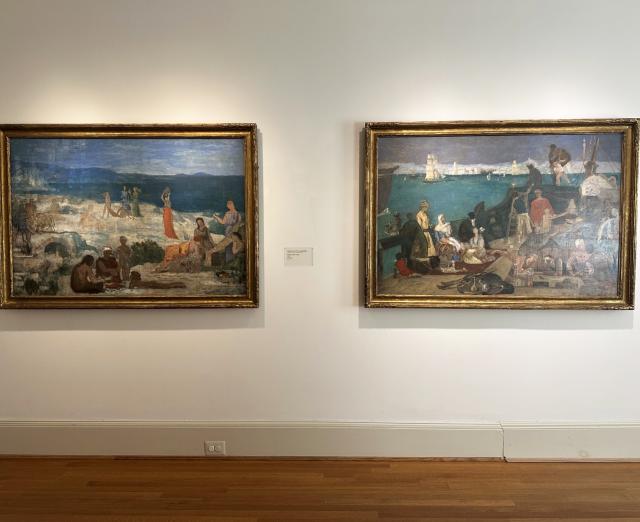
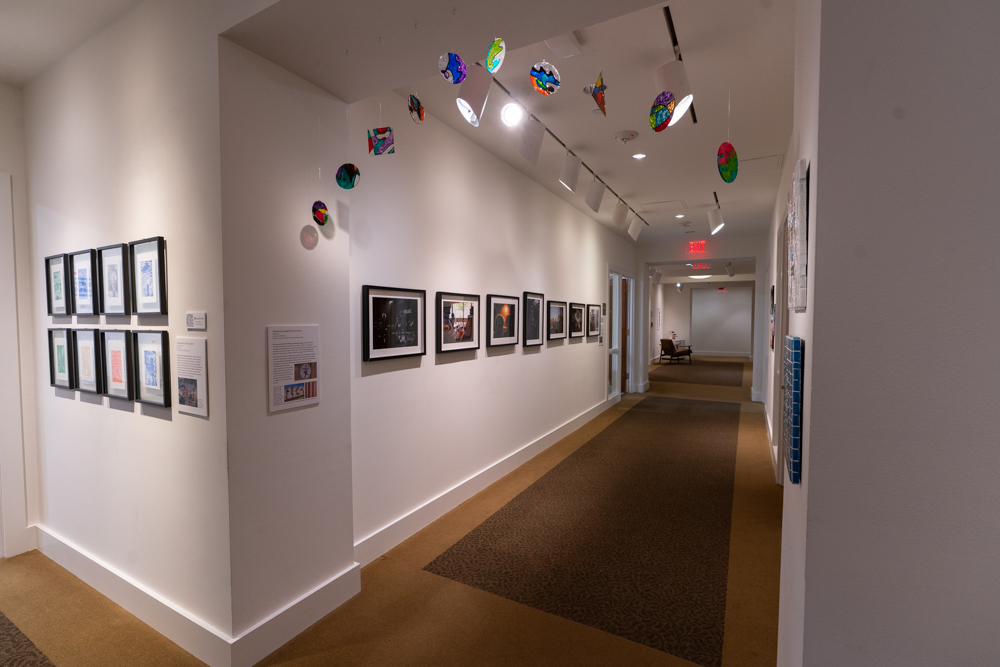
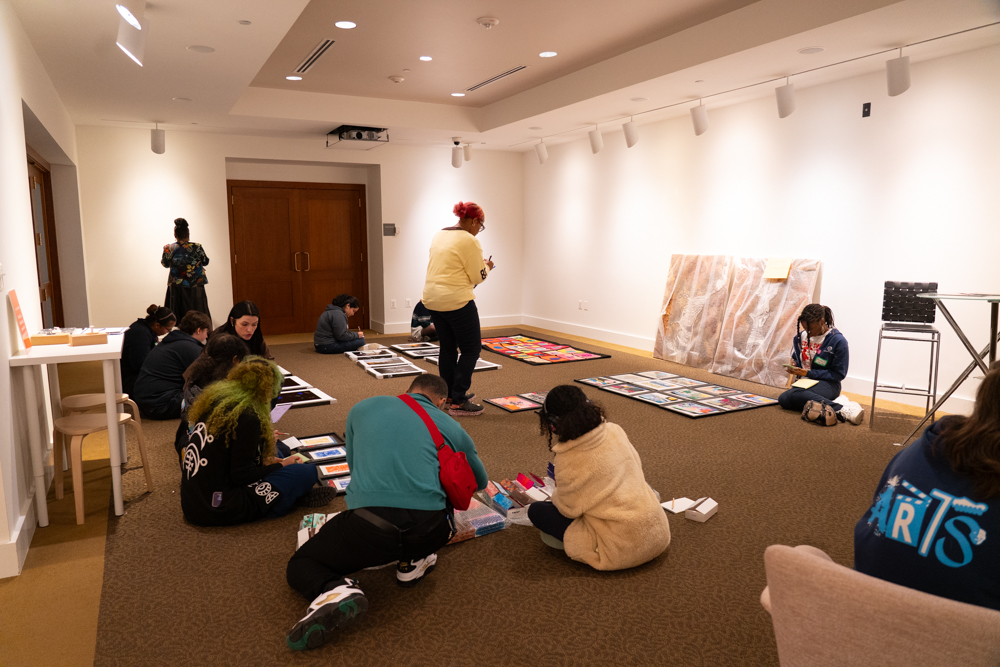
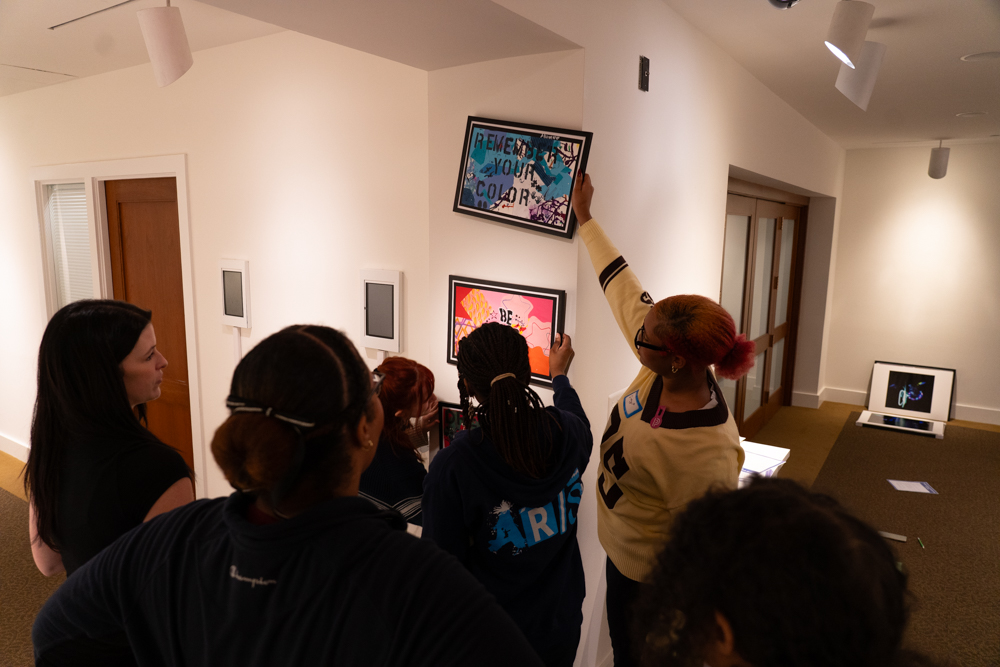
Over the course of the winter, we brainstormed an overarching theme and message. Once we had the final pieces chosen we assigned ourselves an artwork to be in charge of and record an audio stop for. We visited the Phillips in late February to study the format of museum exhibitions and dedicated the day to arranging the pieces within the space provided and recording audio stops. The Phillips staff provided the final touches.
What challenges did you encounter?
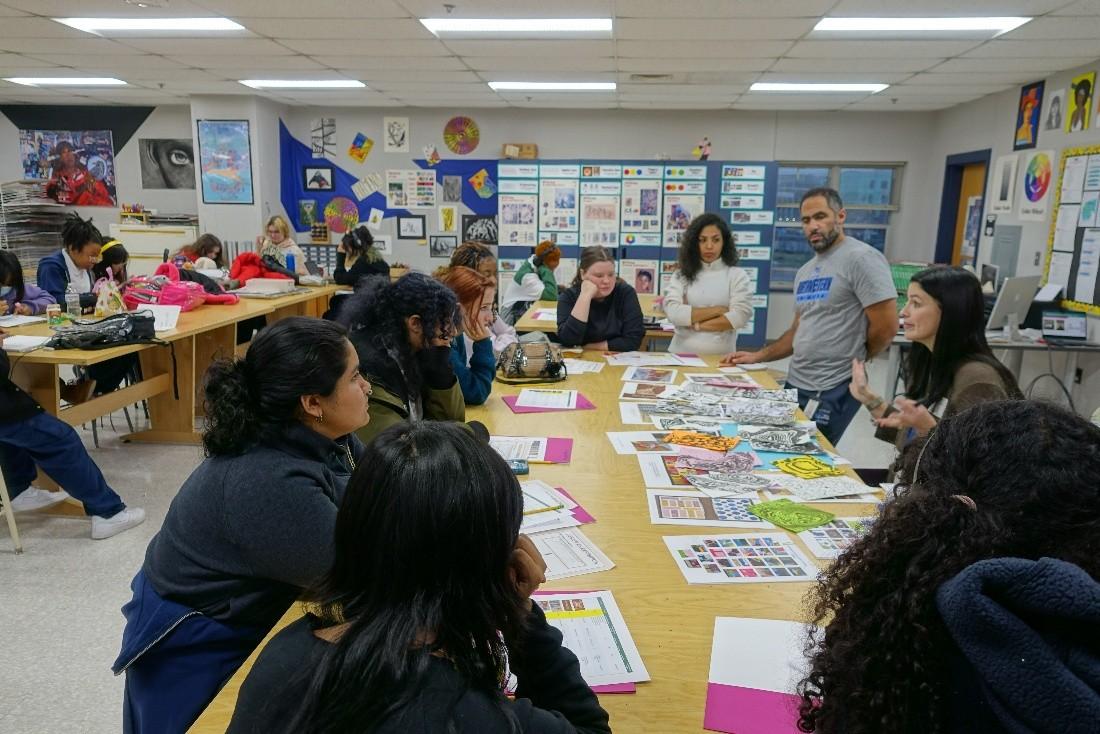
The first challenge was figuring out a theme since that would determine everything else about the process. Then it was narrowing down the pieces appropriately; making sure we weren’t being biased or too picky. Making the selection of artwork not feel “childish” or “inferior” compared to the other art in the museum was our biggest concern since children are already easily dismissed. Appealing to both the theme and the public was the second biggest challenge. We didn’t want the message to get lost at any point due to a lack of cohesiveness and wanted this show to be appealing to all ages. The final challenge was physically arranging the pieces and making sure the art flowed well without cluttering the walls.
How did you tackle the challenges as a team?
Through several debates and group discussions we concluded on an overarching theme that represented the pieces well and came to a final selection of pieces. When we were at the Phillips we allowed ourselves to handle our assigned pieces and made ourselves available to help each other when extra assistance was needed. Each of us are artists and have trained eyes, so we trusted each other to make the right calls and not get caught up in minor details. When we weren’t sure about something we were able to ask Phillips staff for extra insight and advice.
How did you select the artwork?
As we reviewed all the initial artworks we all simultaneously picked up on the recurring traits and concepts. After discussing what was similar, we agreed that curiosity was the common factor, followed by education and community. Once that was settled, we reevaluated the pieces and chose the ones that resonated best with the theme. Figuring out what matched well—color, theme, and medium-wise—was key. We took visual aesthetic/quality into account and valued diversity in mediums, size, and art styles. This helped us pick artworks that we felt the public could relate to and remain genuinely invested in throughout the journey of the exhibit.
What did you learn about the importance of arts education programs like Art Links?
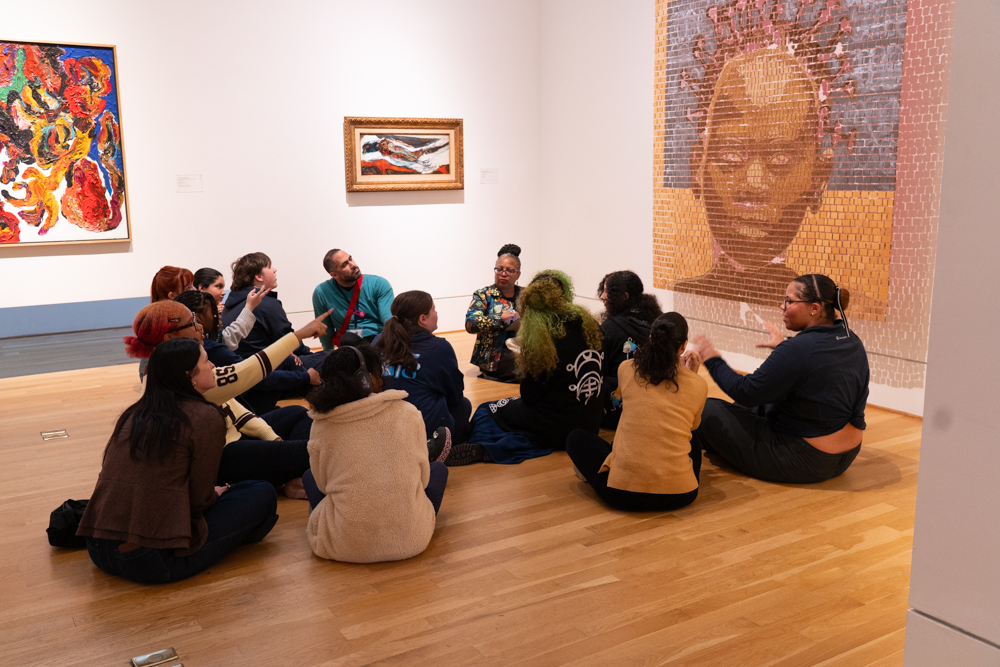
Arts education programs help us broaden perspectives, create different interpretations of things, and most especially teach kids how to see parts of themselves in different people and experiences. They encourage collaboration and social skills while pushing problem solving both in and out of the classroom. They unite students from different schools, neighborhoods, and cultures through the shared value of creating. As artists ourselves, we’re evidence of how impactful art is to one’s development in this world. Not just as kids, but as people.