
History
“Sorrow all but overwhelmed me,” Duncan Phillips wrote. “Then I turned to my love of painting for the will to live.”

The Phillips Collection, America’s first museum of modern art, was opened in 1921 in historic Dupont Circle in Washington, DC, by collector and philanthropist Duncan Phillips.
Duncan Phillips (1886-1966) was the son of Major Duncan Clinch Phillips, a Pittsburgh businessman and Civil War veteran, and Eliza Laughlin Phillips, whose father was a banker and co-founder of Jones and Laughlin Steel Company. The family moved to Washington, DC, in winter 1895-96.
Duncan was close to his older brother, Jim; Jim postponed attending college for two years so that he and Duncan could attend Yale University together. The brothers moved from DC to an apartment in New York in 1914. Duncan wrote extensively on art and published his first book, The Enchantment of Art, in 1914. Duncan’s passion for art was fueled by trips to Europe in 1911 and 1912 and visits to the Corcoran Gallery of Art in Washington and the Metropolitan Museum of Art, along with friendships in New York with artists Augustus Vincent Tack, who became a lifelong friend, and American impressionist painter Julian Alden Weir. In 1916 the brothers convinced their parents to set aside $10,000 annually to allow them to assemble a collection of contemporary American painting for the family.
Soon after, tragedy struck the Phillips family. Major Duncan Phillips died suddenly in 1917 from a heart condition and James died from the flu epidemic in 1918. To cope with these stunning blows, Duncan turned to the restorative quality of art. “Sorrow all but overwhelmed me,” he later wrote. “Then I turned to my love of painting for the will to live.” He and his mother founded the museum in late 1918. It was originally called the Phillips Memorial Art Gallery, and opened it to the public in fall of 1921. In a specially designed room added onto the second floor of the family home, they showed selections from their growing 237-work collection that now included examples by European artists, reflecting Duncan Phillips’s pioneering idea of creating a museum in the nation’s capital where one could encounter the art of the past and the present on equal terms. As the collection grew, the family moved out of their Dupont Circle home to a new residence in 1930, allowing the entire house to become a dedicated space for the museum.
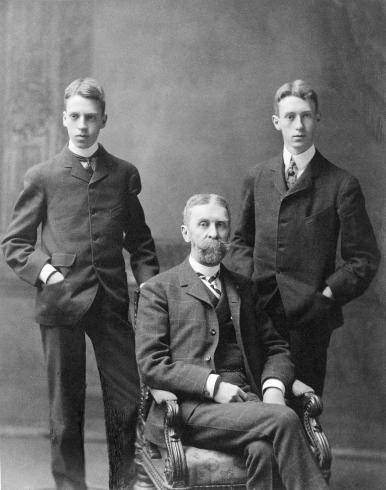
Duncan and James Phillips with their father, Major D.C. Phillips, c 1900
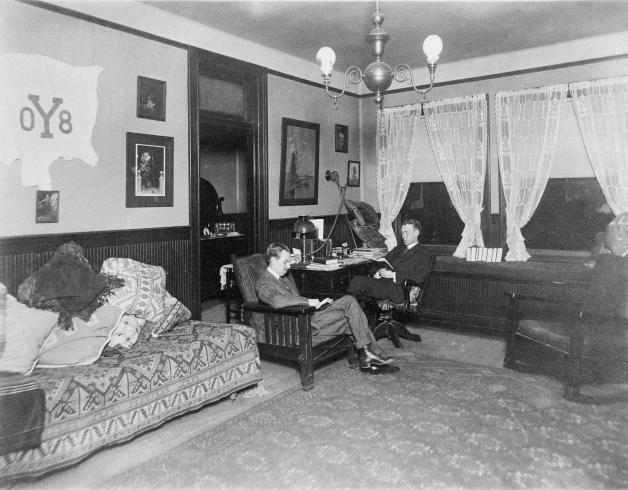
Duncan Phillips and his brother, Jim, at Yale University
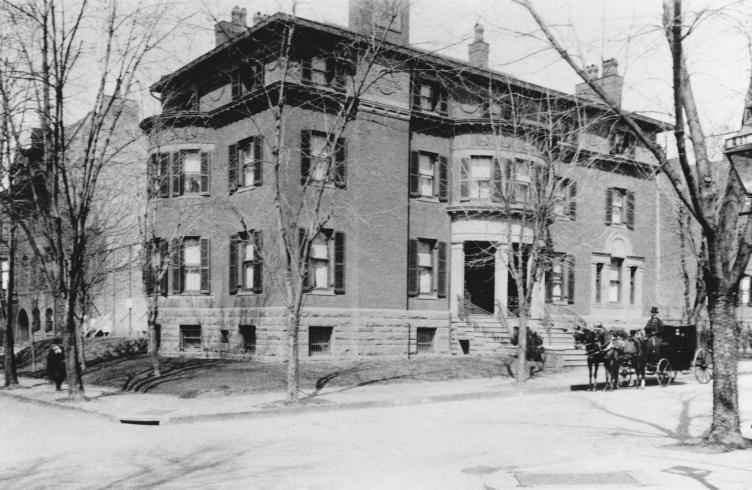
The house at 21st and Q Streets, NW, c. 1900
Duncan Phillips married painter Marjorie Acker (1894-1985) in 1921, shortly before the museum opened, and she became his partner in developing The Phillips Collection. Born in Bourbon, Indiana, and raised in New York State, she was encouraged by her uncles―painters Gifford and Reynolds Beal―to pursue art; she studied at the Art Students League in New York City. Duncan and Marjorie met at an exhibition of his collection at The Century Club in New York in late 1920. After they were married, Marjorie painted almost every morning, ran the household, and served as Associate Director of the museum. She helped him gain insight into the artist’s process, and over the course of their lifetime together they collected nearly 2,500 works of art. When Duncan died in 1966, Marjorie became the museum director, continuing to develop close relationships with artists and the artistic community of DC. She held that position for six years.
From the outset, the vision for The Phillips Collection was “an intimate museum combined with an experiment station.” As a collector, Duncan Phillips was noted for his willingness to deviate from the art museum standard of displaying works together based on shared nationality and geography, interpreting modernism as a dialogue between past and present. He collected the work of his contemporaries at a time when art that did not follow traditional, academic standards was not widely accepted as aesthetically and culturally valuable. This philosophy of taking risks allowed for Phillips to be the first to collect and exhibit artists who were not well known at the time, such as Milton Avery, Pierre Bonnard, Georges Braque, Jacob Lawrence, Grandma Moses, Georgia O’Keeffe, and Rufino Tamayo.
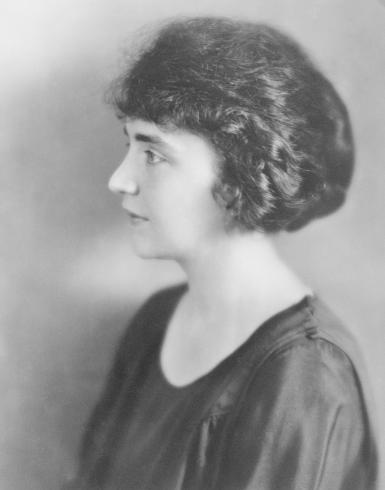
Marjorie Phillips, c. 1920-21
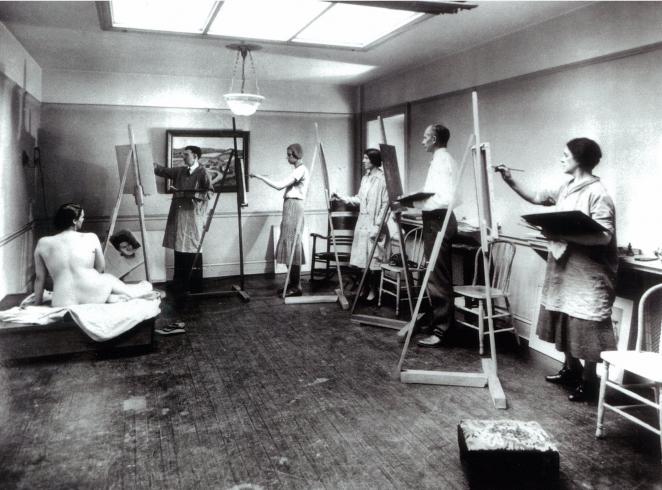
The Phillips Gallery Art School painting class in the fourth floor studio of the house, c. 1931–33
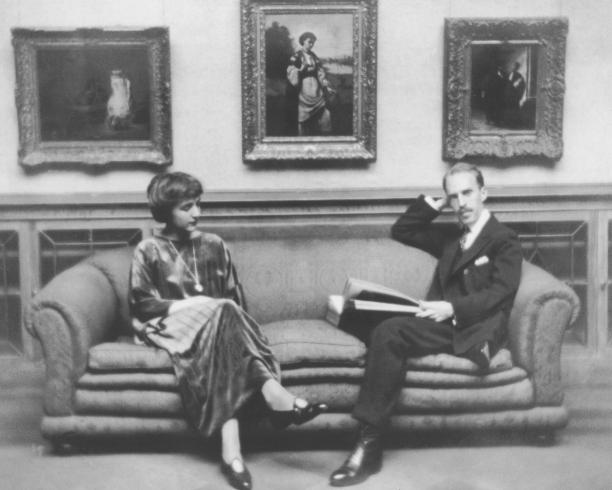
Marjorie and Duncan Phillips in Main Gallery, circa 1920
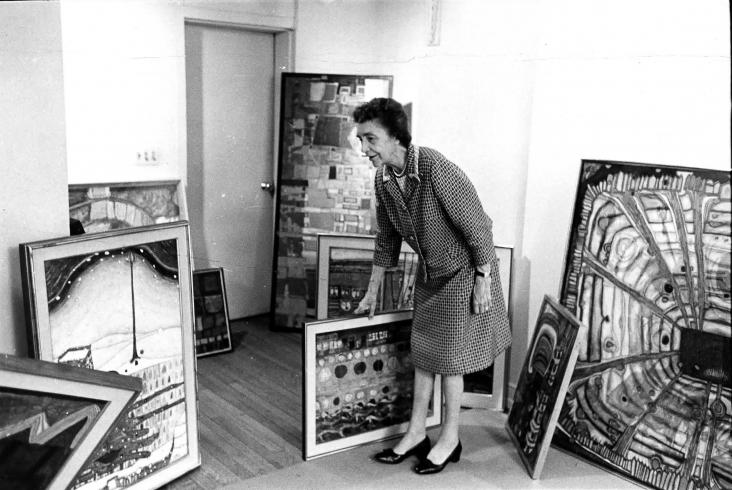
Marjorie Phillips installing a Hundertwasser exhibition, 1969
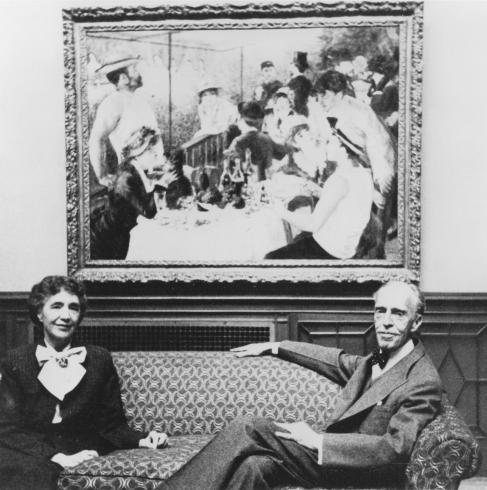
Marjorie and Duncan Phillips, c. 1954
Their son, Laughlin (known as Loc) (1924-2010), succeeded Marjorie Phillips in 1972, serving as Director until 1992 and Chairman of the Board until 2002. Under his leadership, the museum underwent extraordinary growth and transformation; he turned his parents’ personal and original creation into a professional museum by creating a formal collection database, launching a membership program, and doubling the footprint of the Goh Annex to include a store room and a conservation studio, as well as increased gallery space.
Charles Moffett, a renowned curator of French Impressionism, served as director from 1992-1998. Jay Gates served as director from 1998 to 2008, overseeing the major renovation that included the addition of the Sant Building. Gates established the Center for the Study of Modern Art in 2006, fulfilling a hope of Laughlin’s that the Phillips would create a scholarly center at the museum that would bring students, scholars, curators, critics, and artists together in shared conversation through lectures and informal talks as his father had always envisioned would become part of the Phillips’s educational program.
Under the directorship of Dorothy Kosinski from 2008-2022, the Phillips has worked to diversify its collection, exhibitions, programs, and staff, notably hiring a full-time Chief Diversity Officer and expanding its collection and exhibitions to include more contemporary art and more works by women and people of color. The museum launched a major partnership with the University of Maryland from 2015-2021 and opened a satellite campus in Southeast DC at the Town Hall Education and Recreation Campus (THEARC) in 2018. Jonathan P. Binstock became the director in 2023.
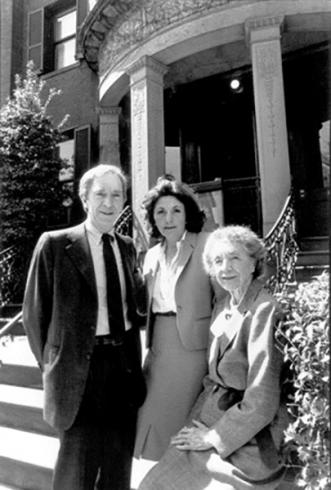
Laughlin Phillips, his wife Jennifer Phillips, and his mother
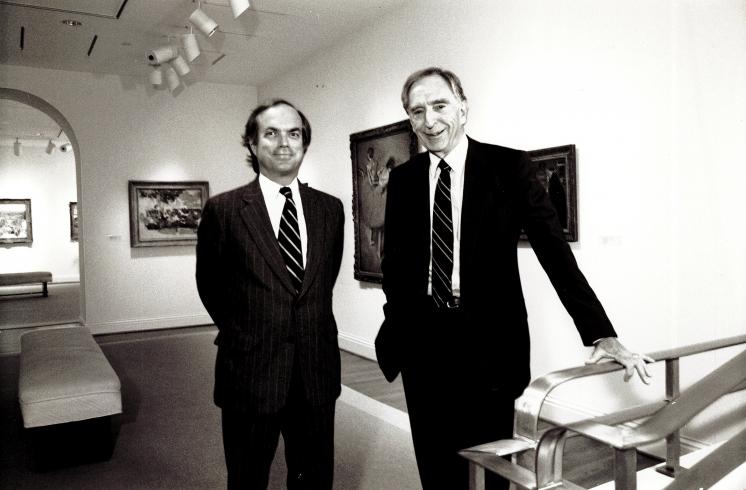
Charles Moffett and Laughlin Phillips in the Goh Annex

An Intimate Museum
The Phillips family home, built in 1897, has been expanded to accommodate additional galleries, an auditorium, a library, a conservation studio, additional staff offices, a café, and a courtyard.


What is collecting?
Explore the concept of museum collections through these games and activities.